
Core Lab Staff
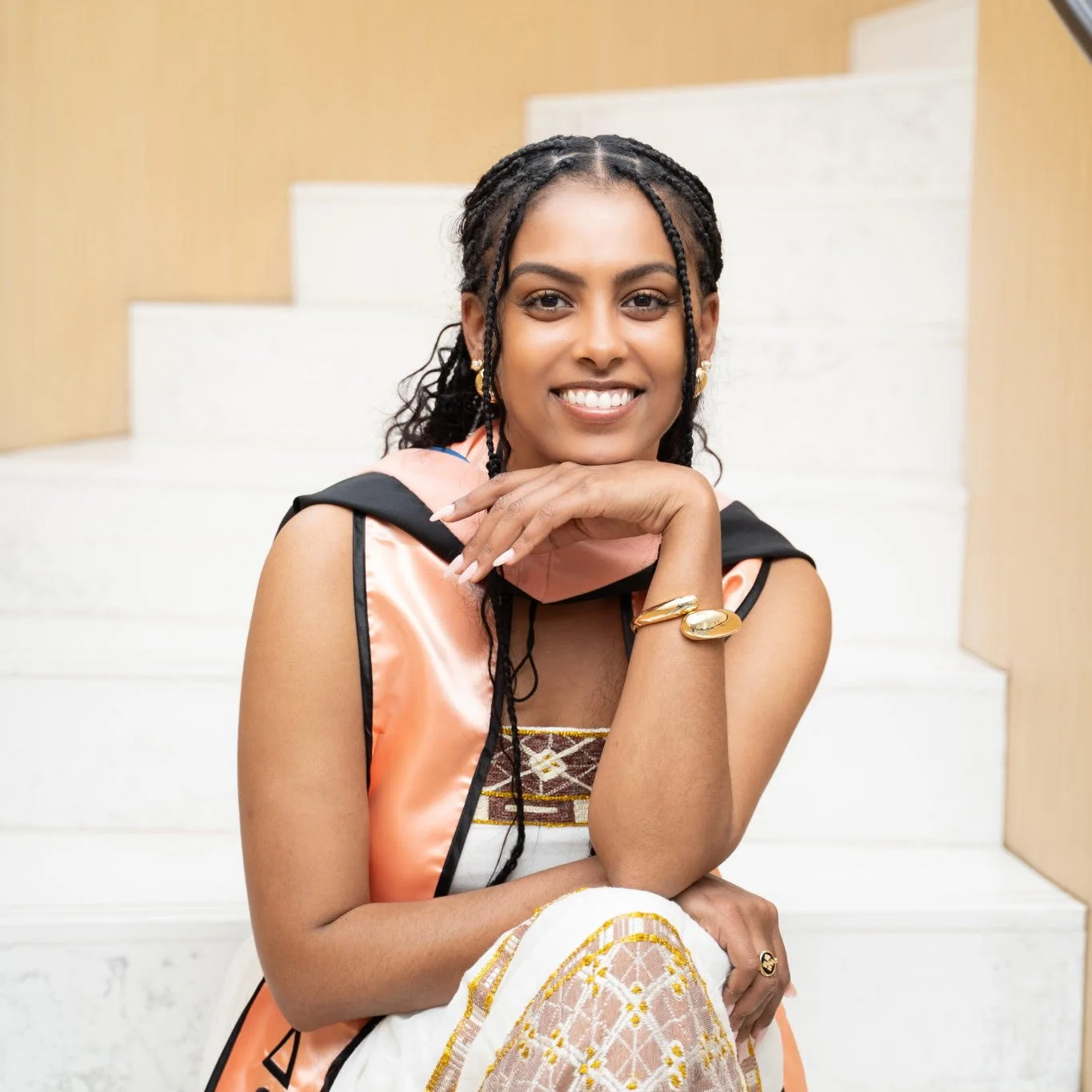
Eden Moges
MPH
Research Coordinator at Georgetown University
-
Lauren Aslami is a research assistant in the Marea Lab and a medical student at the Georgetown University School of Medicine in the class of 2028. She has been a member of the team since she joined as an undergraduate student in 2022 while working towards her degree in linguistics. In this time, she has worked on a variety of projects, such as scoping reviews focusing on postpartum health equity and a qualitative intervention study with Community of Hope aiming to improve postpartum wellness. Lauren is passionate about health equity, language access in healthcare, and improvement of care to ensure all people can thrive in the postpartum period. In her free time, she volunteers at the HOYA Clinic, Georgetown’s free student-run clinic; trains community members in naloxone administration; and explores DC’s parks through bird-watching!
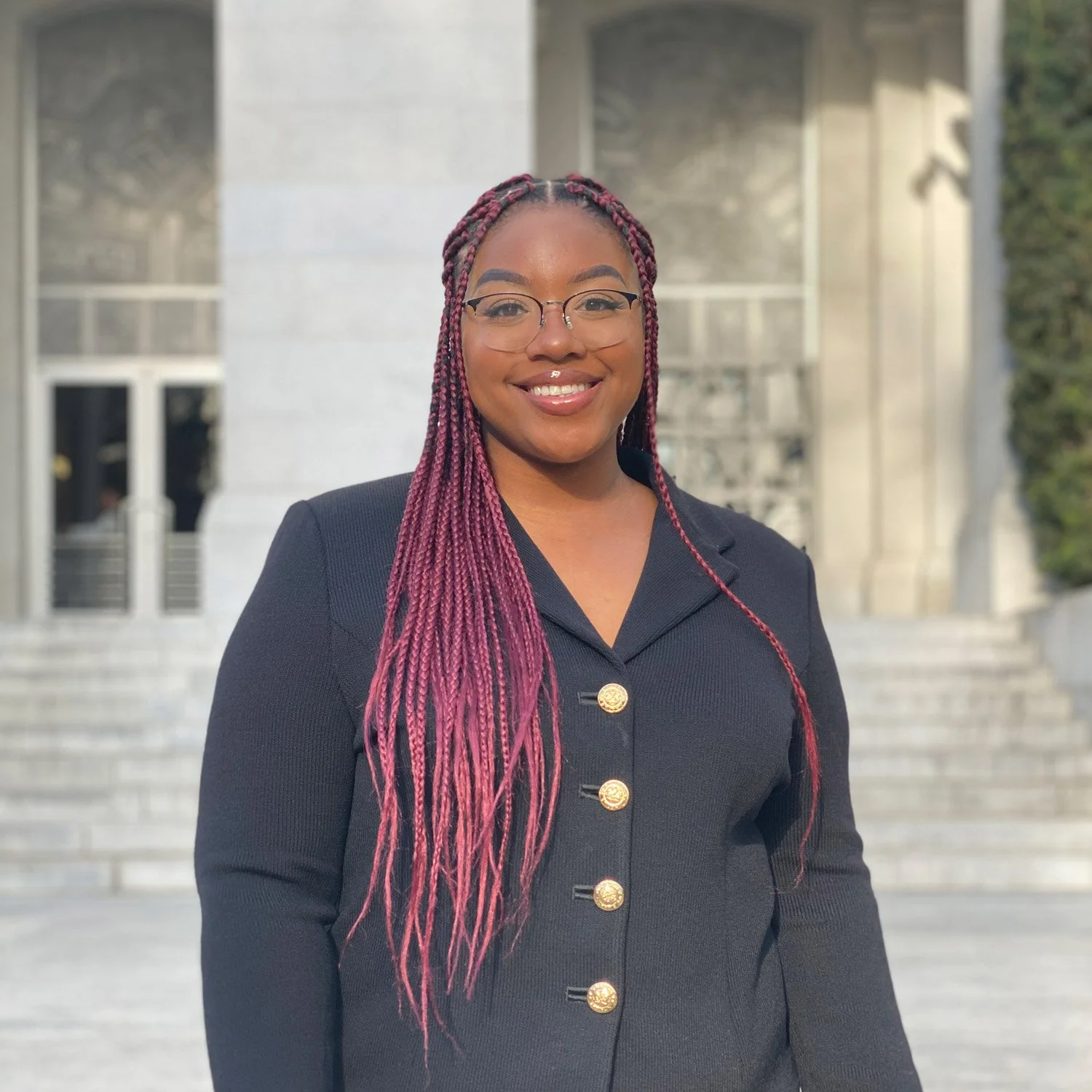
Kortni Washington
M.S
Research Coordinator at Georgetown University
-
Kortni Washington, originally from Eastvale, California, is a Research Associate for the MAREA Lab who specializes in social and behavioral epidemiology. She graduated from UC San Diego with a Bachelor’s degree in Public Health (Health Policy and Management) and recently earned her Master of Science in Epidemiology from Georgetown University’s Graduate School of Arts and Sciences. Her research interest focuses on the relationship between health outcomes and sociopolitical determinants of health, with a particular emphasis on environmental justice and general health disparities. This dedication is reflected in her thesis, which examines cancer-related distress among young women from Hereditary Breast and Ovarian Cancer (HBOC)-positive carriers. Prior to her graduate studies, Kortni gained extensive experience in mixed-methods health policy analysis as a Public Health Analyst at RTI
Georgetown Collaborators

Melicia Escobar
PhD, MA, FACNM (P.I)
Georgetown University
-
Dr. Escobar is a Latina, Philadelphia-based midwife, WHNP educator, and clinician dedicated to advancing health equity, inclusive curricula, and a diverse midwifery workforce. Currently an Assistant Professor and Program Director for the Nurse-Midwifery and WHNP programs at Georgetown University, she is a highly decorated academic leader whose honors include the 2024 ACNM Health Equity Award and an AACN ELAN Fellowship. In addition to her extensive leadership and committee service within the American College of Nurse-Midwives (ACNM), she serves as the JEDI Consulting Editor for the Journal of Midwifery & Women's Health and co-edited a major certification review guide. Clinically, she provides care at Jefferson Einstein Montgomery Hospital, building on a rich background in hospital, birth center, and home birth settings, and leverages her expertise as a consultant for Midwife Y Maestra, where she designs customized anti-racism training for healthcare professionals.

Mara Evans
DNP, CNM, FACNM
-
Mara Evans is a Certified Nurse-Midwife and assistant professor at Georgetown University's School of Nursing who holds degrees from Yale and Johns Hopkins Universities. Over a diverse career spanning multiple regions and clinical settings, she has dedicated herself to expanding midwifery access, pioneering innovative education, and providing global humanitarian care. Her extensive experience ranges from establishing the inaugural midwifery practice at SSM Health in Wisconsin to serving as clinical faculty and preceptor for medical and midwifery students across various universities. Passionate about vulnerable populations, Evans also worked with Doctors Without Borders in South Sudan, where she trained national midwives through simulation and bedside teaching while caring for conflict-displaced individuals and survivors of Female Genital Cutting.
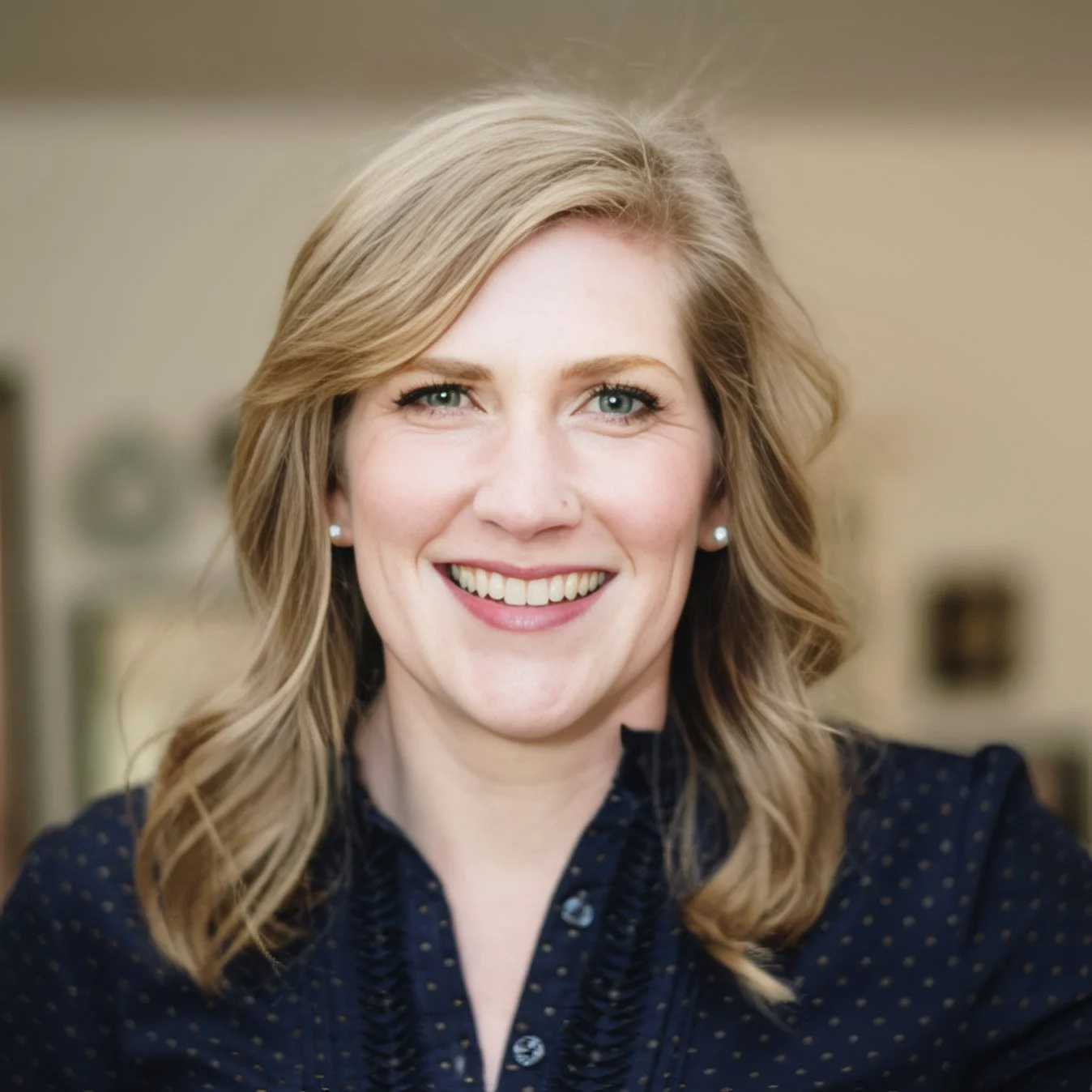
Emma Clark
PhD, MHS, CNM, FACNM
-
Dr. Emma Clark is the Director of Nursing Research at MedStar Georgetown University Hospital. She is a certified nurse-midwife with more than 20 years of health experience. Her previous roles include Senior Maternal Health Adviser for the United States Agency for International Development (USAID) and as Director of Maternal, Child and Newborn Health at Chemonics International. Earlier in her career, she worked in humanitarian response, developing and managing health and nutrition programs in a variety of complex fragile settings, including Iraq, Haiti, Somalia, Jordan, Kenya, and South Sudan. She has been on the faculty at Georgetown Berkley School of Nursing (GBSON) since 2014. She has a bachelor's degree in nursing from New York University, a master's in nursing from Frontier Nursing University and a master's in health science in global disease epidemiology and control from Johns Hopkins Bloomberg School of Public Health. She also has a PhD in nursing research from Vanderbilt University with a dissertation on the effects of midwifery workforce regulation on maternal health outcomes in 100 countries. Dr. Clark was a Fulbright Fellow in Botswana in 2006-07, following her graduation from Smith College, and a Duke-Johnson & Johnson Nurse Leadership Fellow in 2016-2017. She completed a post-doctoral fellowship at GBSON focused on reducing perinatal health disparities. She is a fellow of the American College of Nurse-Midwives (ACNM) and holds multiple national leadership positions, including incoming chair of the Accreditation Committee for Midwifery Education (ACME) Board of Commissioners, chair of the ACNM Division of Global Engagement, and co-chair of the District of Columbia (DC) ACNM affiliate. She maintains clinical practice as a midwife at a federally-qualified health center in Washington, DC with privileges at MedStar Washington Hospital Center.
External Collaborators
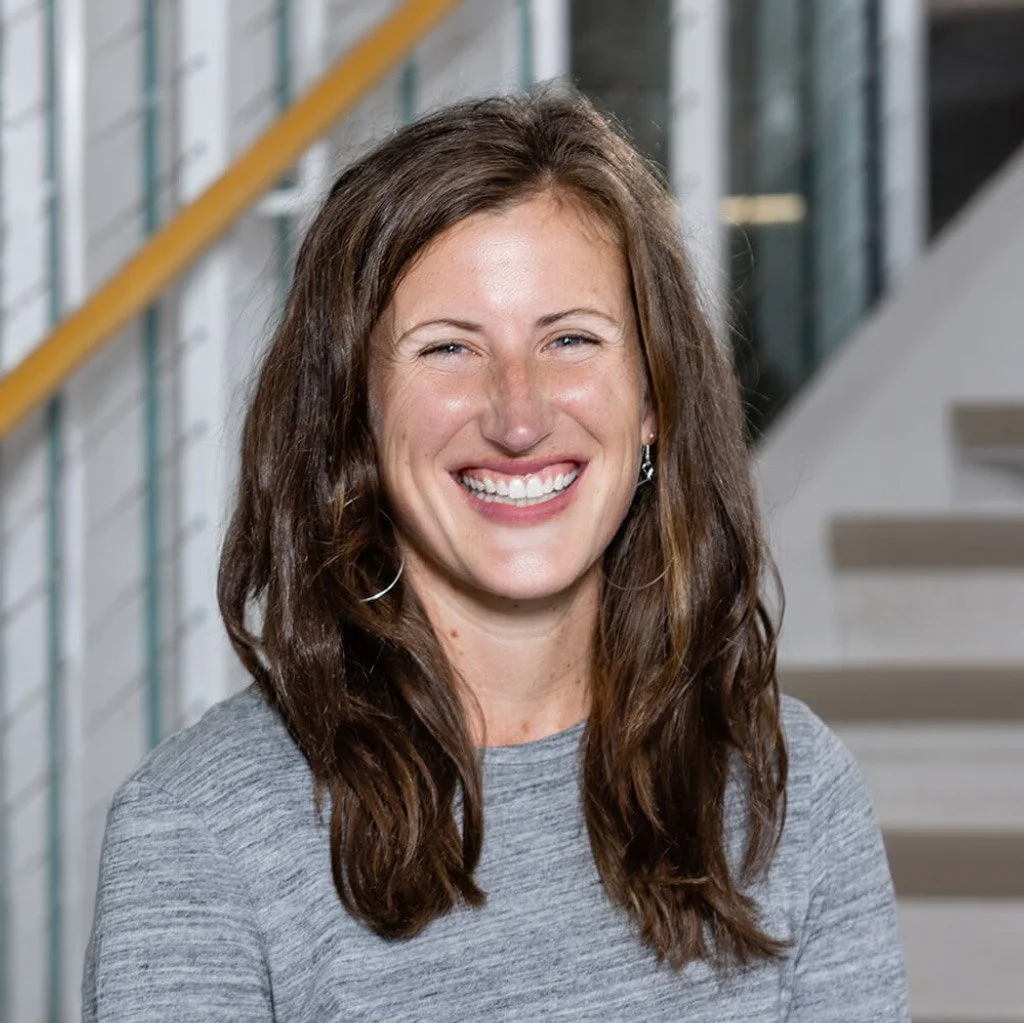
Ashley Gersh
PhD, MSN, MA, CNM
Johns Hopkins University
-
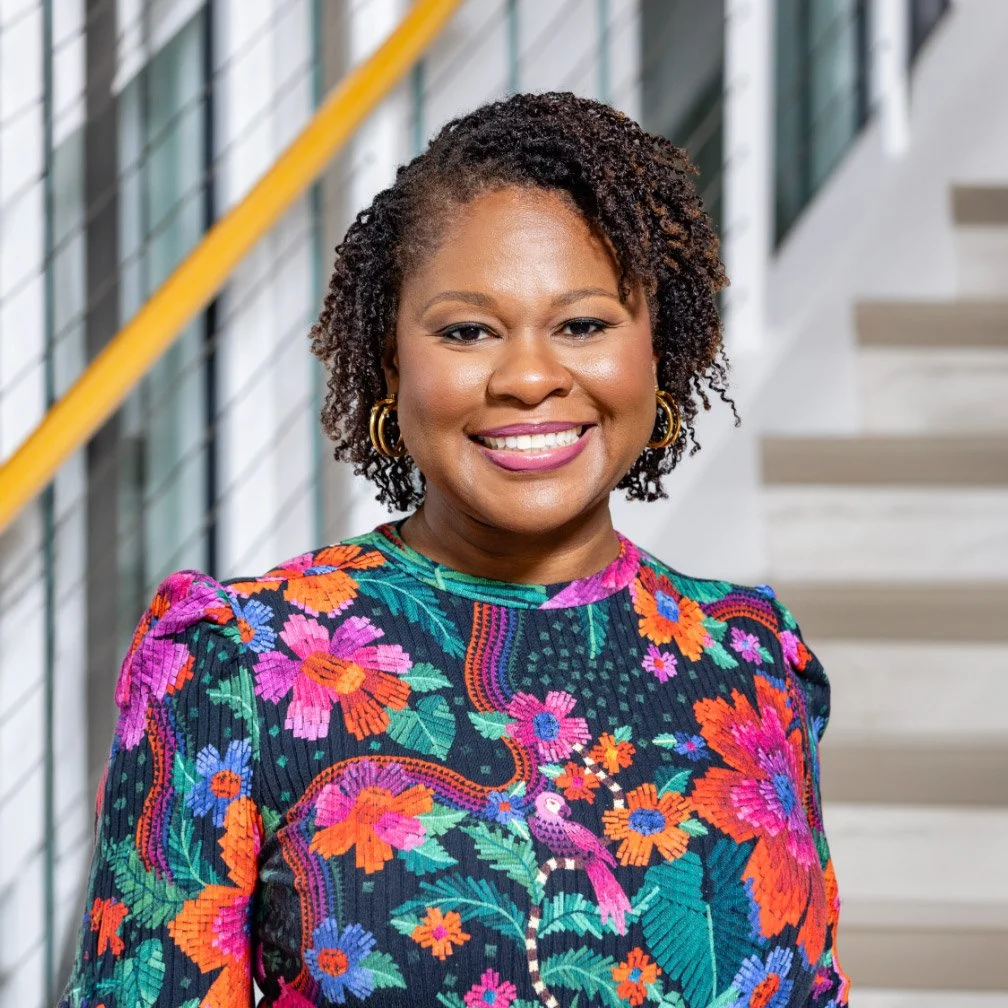
Ashley Gresh is both a certified nurse-midwife and a public health nurse, whose research focuses on addressing inequities in maternal and child health outcomes. Her current work examines the effects of perinatal group-based care on maternal and child health in the postpartum period, and examines ways for adapting, implementing, and sustaining group care in Baltimore and globally. Dr. Gresh is committed to co-creating solutions to issues in health care with the communities she serves by using a human-centered design approach; one that shifts power dynamics and centers the rights and well-being of childbearing people, their families, and communities. She has a range of global and international health experience including being in the inaugural cohort of the Global Women’s Health Fellowship, a joint venture between the Johns Hopkins Schools of Nursing and Medicine and Jhpiego. A foundational career goal for Dr. Gresh is to reimagine and redefine postpartum care to transform systems and delivery of care.
Noelene Kimiko Jeffers
PhD, CNM, IBCLC
Johns Hopkins University
-
Noelene K. Jeffers has over 10 years of experience as a nurse-midwife serving families in federally qualified health centers, hospitals, and free-standing birth centers in Washington, DC. In her research, Dr. Jeffers utilizes a reproductive justice lens to examine the structural and social determinants of Black maternal and perinatal health. She currently leads or collaborates on studies that examine the impact of midwives and birth center care on perinatal health, racism, and discrimination in midwifery education programs, and the integration of doulas into state perinatal health systems. She earned a bachelor’s degree in foreign service from Georgetown University, an MSN from the Yale University School of Nursing, and a PhD from the Johns Hopkins School of Nursing. She also completed a postdoctoral research fellowship in the Department of Population, Family, and Reproductive Health at the Johns Hopkins Bloomberg School of Public Health. Her research goals include the development and implementation of community-engaged interventions that promote perinatal health equity, wellbeing, and thriving for Black women and birthing people.
Current Doctoral Nursing Students
Leyda Alemu
-
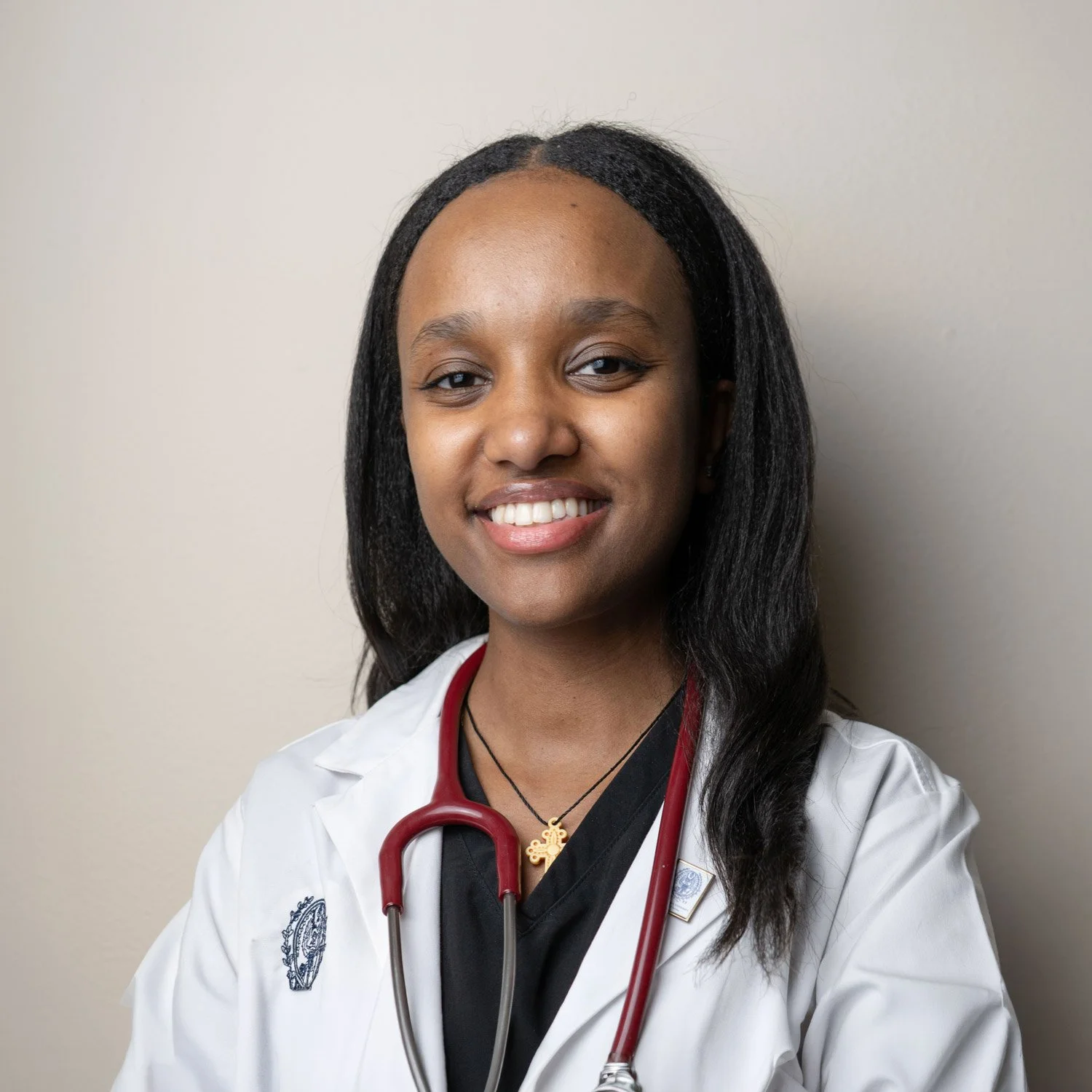
Ledya is a registered nurse with about four years of experience in Labor, Delivery, Recovery, Postpartum, and the Obstetric Emergency Department (LDRP/OBED). She earned her Master of Science from Georgetown University in December 2025 with dual preparation as a Certified Nurse Midwife and Women’s Health Nurse Practitioner. Her clinical background includes caring for individuals across the reproductive lifespan in both physiologic and high-acuity obstetric settings, strengthening her commitment to advancing equitable maternal health outcomes.
Following completion of her master’s degree, she chose to pursue a Doctor of Nursing Practice (DNP) to further develop her expertise in clinical leadership, evidence-based practice, and population health. In her role as a DNP student in the Marea lab, she is leading a practice-focused project in collaboration with the Wajamama team in Zanzibar, Tanzania. Her project focuses on educating providers on anemia in pregnancy, including evidence-based screening, prevention, and management strategies to improve maternal outcomes. Her professional and research interests center on advancing maternal health equity through sustainable, evidence-based interventions that address disparities in both local underserved communities and global health settings.

Cecelia O'Neill
-
Cecelia has spent her entire career as a nurse working in the women’s health field. From low-risk birthing facilities to high-acuity tertiary care centers, Cecelia is passionate about providing empathetic and authentic care for birthing people, their newborns, and their families. She is a clinical nurse expert on the Special Delivery Unit at the Children’s Hospital of Philadelphia, where her team cares for families whose pregnancies are complicated by fetal anomalies.
Cecelia is an Executive DNP student at Georgetown University. Along with her classmates, she will be working with the WAJAMAMA team to develop educational interventions for group antenatal care facilitators on the identification, screening, and management of antenatal anemia, as well as the postpartum follow-up of anemic patients.
Cecelia is interested in ensuring that first responders in the field and providers in emergency departments are equipped with the knowledge to rapidly identify low-frequency, high-acuity postpartum emergencies, thereby facilitating efficacious and safe care for postpartum patients.
Fatima Siddiqi
-
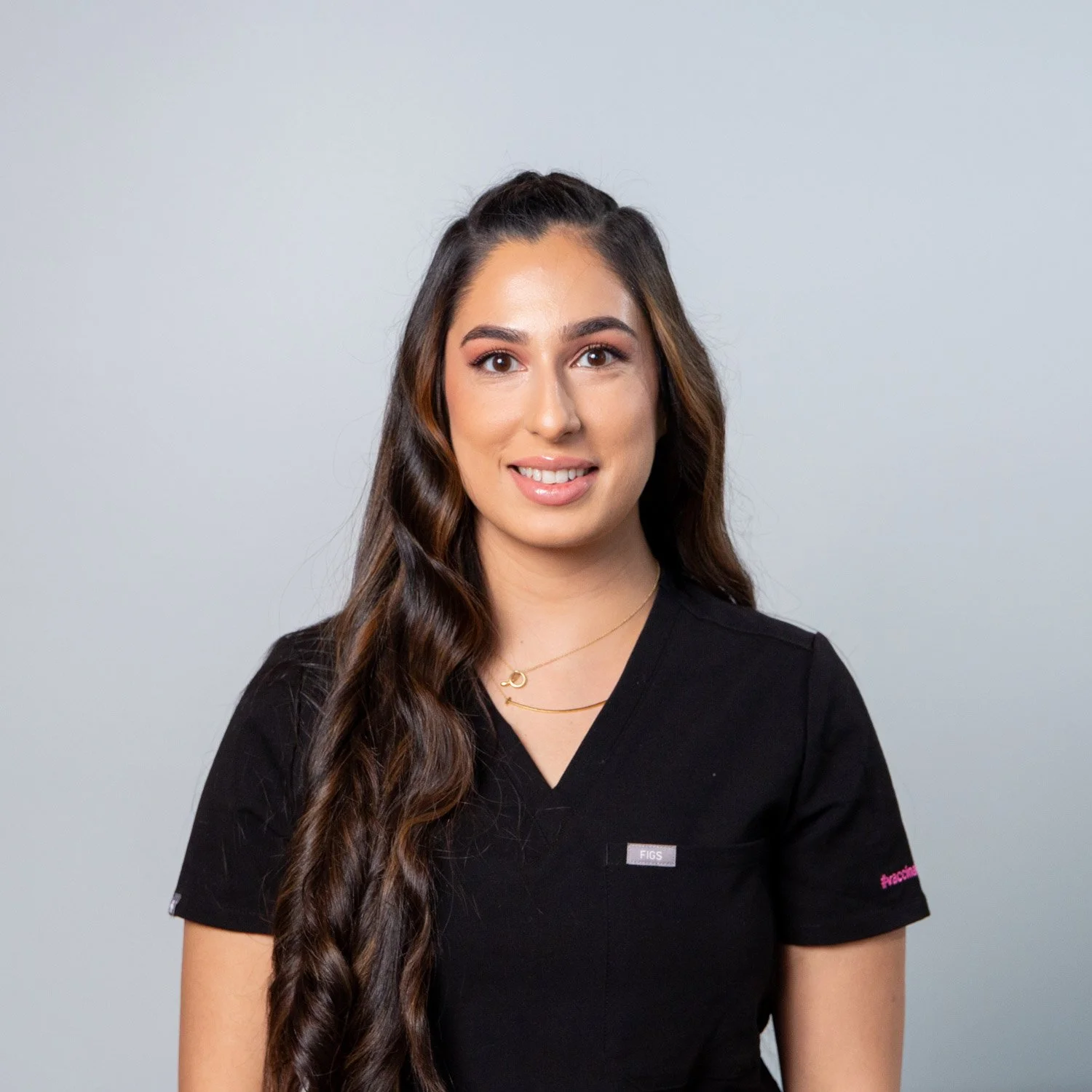
Fatima Siddiqi is a doctoral candidate in the Executive Doctor of Nursing Practice program in Georgetown University Berkley School of Nursing. She recently graduated from Georgetown University, earning a master's degree in nursing from the Acute Care Gerontology Program in May 2025. Fatima is completing her neurocritical care and stroke residency in Arizona where she will be providing care to those with limited income and resources. She is strongly passionate regarding global and community health as she originally studied public health science and is excited to pursue a lifelong career as a provider focused in building community health. Fatima is a fellow in the WAJAMAMA Zanzibar project and her DNP project’s focus is prenatal anemia prevention through nutritional interventions in group antenatal care. She hopes to learn how to create sustainable change that promotes community health and development.

Deanna Talbert
-
Deanna Talbert, MSN, ARNP, CNM, brings 19 years of nursing experience and 16 years as a clinical Certified Nurse Midwife (CNM) in various settings. She was most recently part of a team of CNMs at Vanderbilt University Hospital, working with the OB residents and midwives before transitioning to her current role as a faculty member at Vanderbilt University School of Nursing. She is currently teaching clinical for obstetrics, fundamentals of nursing, and simulation-based education training within the Master of Nursing program.
Deanna's passion lies in enhancing patient care and understanding. Her goal is to build on learners’ knowledge to recognize and treat postpartum hemorrhage in the clinical setting and enhance this knowledge through the implementation of the 4Ts; a recognition primed decision model to identify if the source of the bleeding is from tone, tissue, trauma, or thrombin.
Deanna is currently pursuing her Doctor of Nursing Practice (DNP) degree. Upon graduation, she intends to continue her dual commitment to education and clinical practice by teaching obstetrics in both clinical and didactic settings, while also contributing to the Vanderbilt School of Nursing Midwifery practice. Deanna’s dedication to nursing, education, and improving patient outcomes underscores her aspiration to make a lasting impact in healthcare.
Medical Research Assistants
Lauren Aslami
-
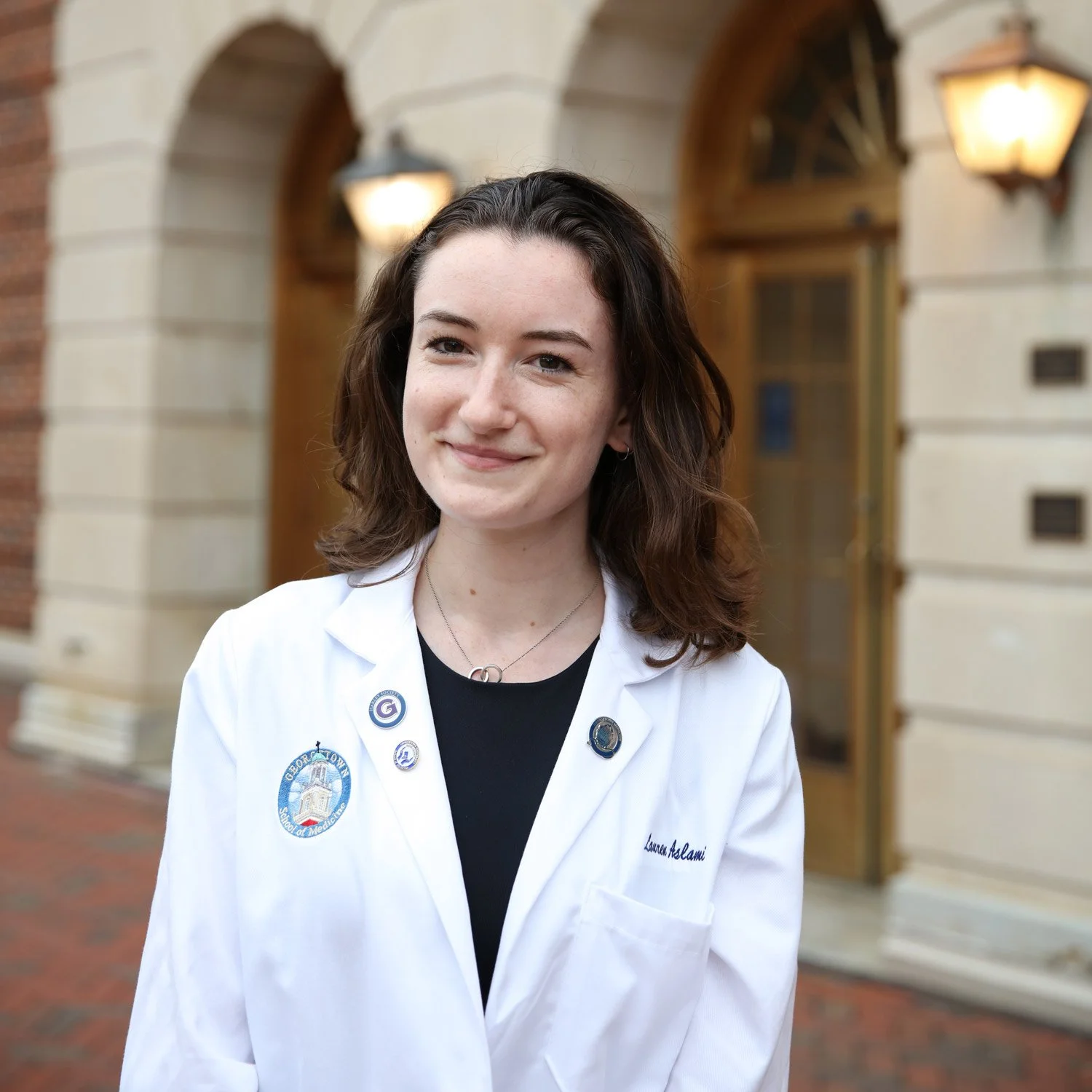
Lauren Aslami is a research assistant in the Marea Lab and a medical student at the Georgetown University School of Medicine in the class of 2028. She has been a member of the team since she joined as an undergraduate student in 2022 while working towards her degree in linguistics. In this time, she has worked on a variety of projects, such as scoping reviews focusing on postpartum health equity and a qualitative intervention study with Community of Hope aiming to improve postpartum wellness. Lauren is passionate about health equity, language access in healthcare, and improvement of care to ensure all people can thrive in the postpartum period. In her free time, she volunteers at the HOYA Clinic, Georgetown’s free student-run clinic; trains community members in naloxone administration; and explores DC’s parks through bird-watching!

Julia Perry
-
Julia is a fourth-year student in the School of Medicine at Georgetown University. A New England native, she grew up in Massachusetts, completed her undergraduate education at Wesleyan University, and worked in clinical research at Boston Children’s Hospital before moving to D.C. for medical school. In Dr. Marea’s lab, she is a Research Assistant and is involved in multiple projects, including the Postpartum Study and qualitative coding. Her professional interests are centered around primary care, reproductive health, and health justice. Outside of medicine, Julia enjoys running, hiking, and spending time outdoors in all four seasons.

Rukewe H. Kehinde
-
Rukkie is a medical student at the Georgetown University School of Medicine with research interests focused on postpartum mental health, health equity, and maternal outcomes. Originally from Nigeria, she moved to the United States for her undergraduate education and brings a global and equity-focused perspective to her research. She earned her bachelor’s degree in Psychology from Texas A&M University, where she worked in a cognitive neuroscience laboratory and conducted a social psychology research project examining stereotype threat. Rukkie is currently a research assistant in the Postpartum Lab, where she contributes to qualitative and quantitative studies examining postpartum experiences and outcomes. Her responsibilities include conducting qualitative interviews with postpartum patients, participant recruitment and survey coordination using REDCap, coding and analyzing interview transcripts using Dedoose, and performing thematic analysis. She is actively contributing to a qualitative study and a manuscript utilizing postpartum survey data, with abstracts in development. Under the mentorship of Dr. Marea, Rukkie has developed strong qualitative research skills within a collaborative and supportive research environment.
Outside of research and medical school, Rukkie enjoys volunteering at a women’s shelter. Motivated by her background in a setting where maternal and infant health are often under prioritized, she aims to pursue a career in Obstetrics and Gynecology and contribute to research and global health initiatives that advance maternal and infant health and health equity.

Kira Bourne
-
Kira Bourne is a first-year medical student at Georgetown University School of Medicine with a strong interest in maternal health and health equity. She graduated from Loyola University Maryland with a degree in biology. Her contribution to research in the Marea Lab focuses on maternal health disparities and the factors that promote positive perinatal outcomes. Through her work with the lab, she aims to better understand the structural, clinical, and social determinants that shape pregnancy-related outcomes and to contribute to solutions that improve care for underserved populations.
She is especially interested in advancing equitable obstetric care and reducing preventable maternal complications. Her long-term goal is to pursue a career in Obstetrics and Gynecology where she hopes to integrate clinical practice with research and advocacy to improve maternal outcomes at both the patient and systems levels.
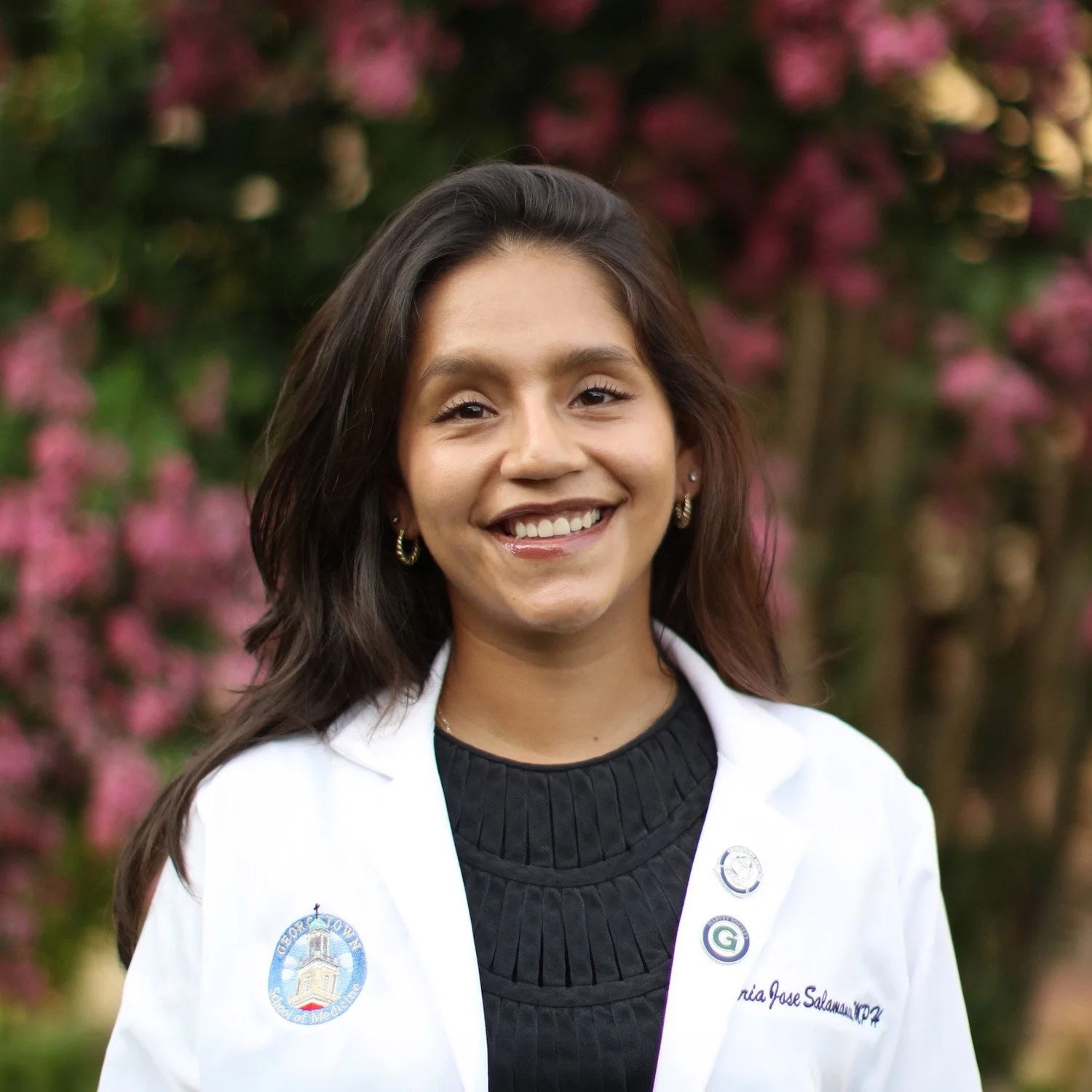
Maria Jose Salamanca, MPH
-
Born in Colombia and raised in Miami, FL, Maria Jose Salamanca is a third-year medical student at Georgetown University School of Medicine. She attended Florida International University, where she majored in biology and sociology and also earned her master's in public health. Her professional interests include primary care and women’s health. In the Marea Lab, she serves as a Research Assistant on the Latine Postpartum Study.
Undergraduate Research Assistants
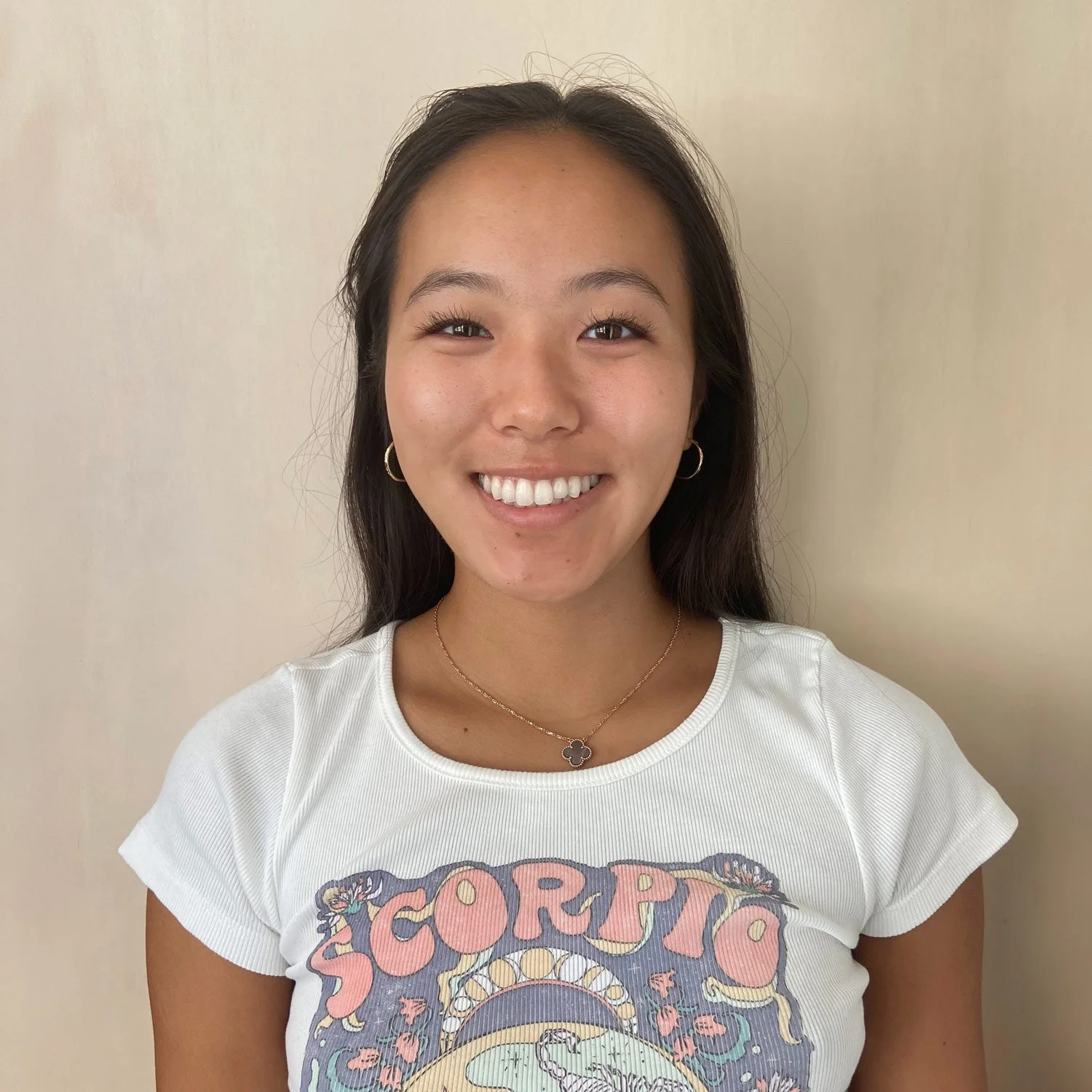
Charis Suh
-
Charis Suh is currently pursuing a bachelor's degree in Sociology and Biology at Georgetown University’s College of Arts and Sciences. Her academic interests focus on health education and holistic approaches to healthcare, including maternal and postpartum care. As a research assistant in the Marea Lab at Georgetown University, Charis works as a student researcher as a part of the qualitative studies team in collaboration with a federally Qualified Health Center, focusing on postpartum care delivery in the first 6 months. In the lab, Charis assists in focus group enrollment, focus group transcription, qualitative coding, and manuscript writing.

Kayla Wontumi
-
Kayla Wontumi is an undergraduate student at Georgetown University’s School of Health, pursuing a bachelor's degree in global health with a minor in science, technology, and international affairs. With a profound interest in advancing health equity, addressing maternal and child health disparities, and examining the intersection of policy frameworks and health systems, she has actively been engaged in numerous research pursuits and coursework to deepen her understanding of complex global health issues. Following graduation, Kayla aspires to further her education, broaden her fieldwork experiences, and ultimately become a global health practitioner dedicated to driving change through community-led interventions and advocacy, evidence-based decision making, and collaborative action. As a 2025-2026 recipient of the Maeve Kennedy McKean Global Health Award and mentee of Professor Marea, Kayla plans to research innovative perinatal mental health interventions and adapt them to the local maternal health context at WAJAMAMA in Zanzibar.

Sophia Urdinola
-
Sophia Urdinola is a third-year undergraduate student at Georgetown University’s School of Health pursuing a Bachelor of Science in Healthcare Management and Policy. Her interests focus on health policy evaluation and improving healthcare delivery systems, particularly to advance equitable maternal and postpartum care. She is involved in the Latine Postpartum study through the Marea Lab.
External Graduate Research Assistant

Emilia Montalvo
-
Emilia Montalvo is a global health researcher focused on maternal health implementation in East Africa. Currently pursuing a Research Master's in Global Health at Vrije Universiteit Amsterdam, her work applies implementation science to examine how health interventions translate from design to practice in real-world settings. Her path into the field took shape through early work in the development sector, where, building on a Bachelor's in Biomedical Sciences from University College Utrecht, she recognized global health as a way to apply scientific training in direct engagement with communities and the systems that serve them. As a Monitoring, Evaluation, and Development Fellow at WAJAMAMA Community Health in Zanzibar, she supports the evaluation of maternal and newborn health programming across multiple facility sites, strengthening M&E infrastructure, analyzing program data, and contributing to grant development for scale-up. Through a collaboration with Georgetown University, her thesis investigates how group antenatal care is being implemented and scaled across Zanzibar's Southern District, using a mixed-methods design that combines program fidelity data with frontline provider perspectives.
Her wider research interests lie in sexual and reproductive health, and in the larger question of how community-based programs can move beyond implementation toward meaningful, sustained impact.